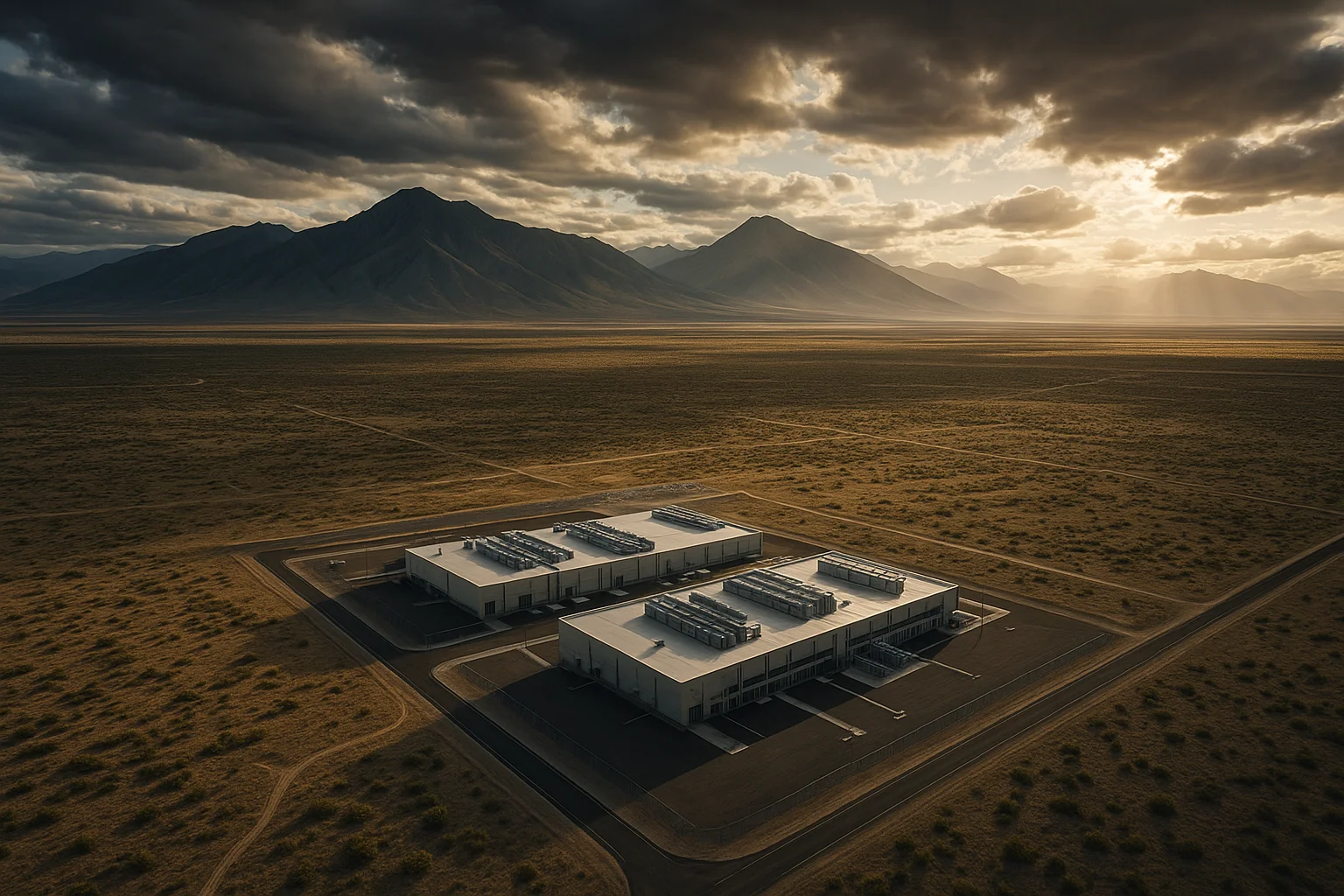
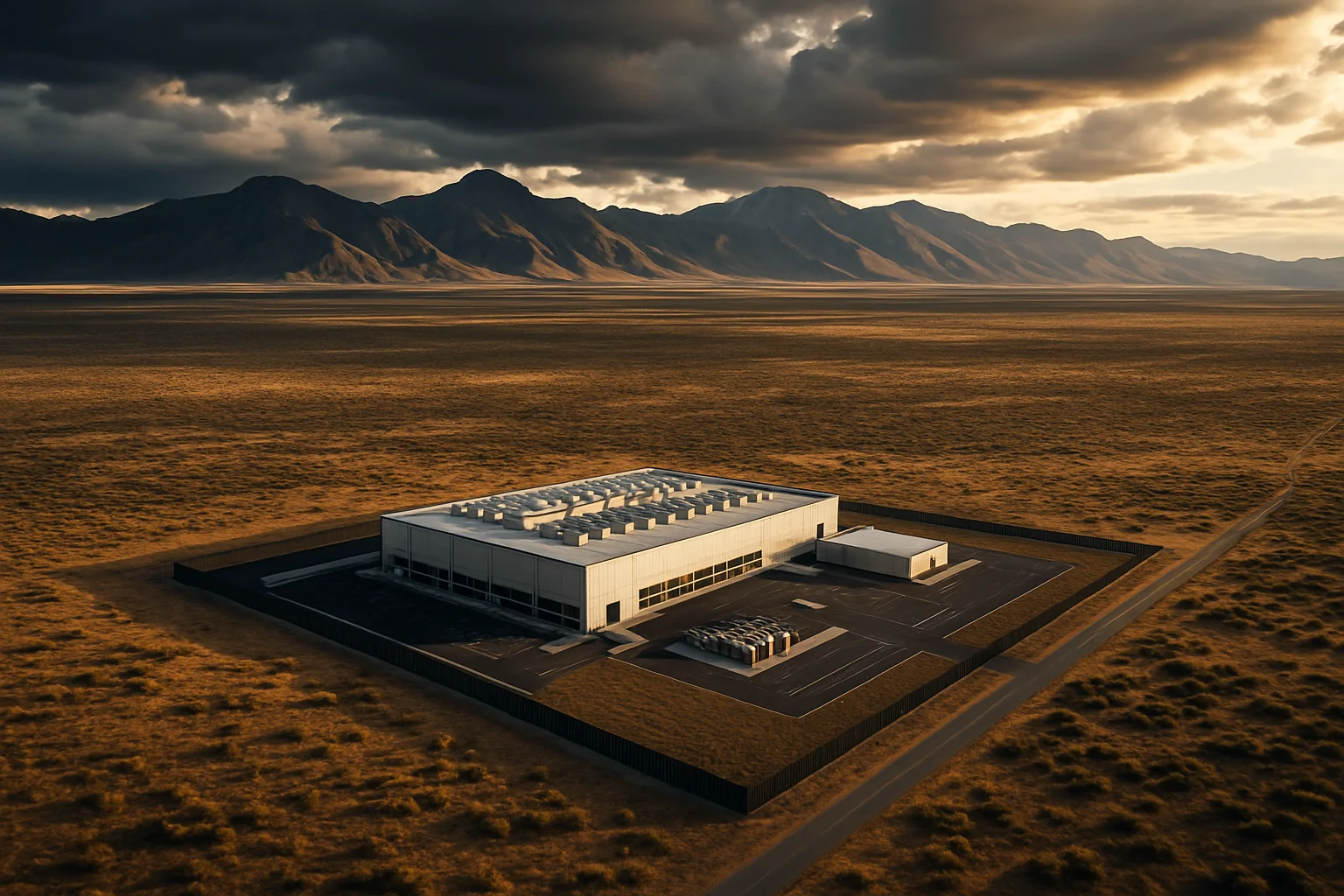
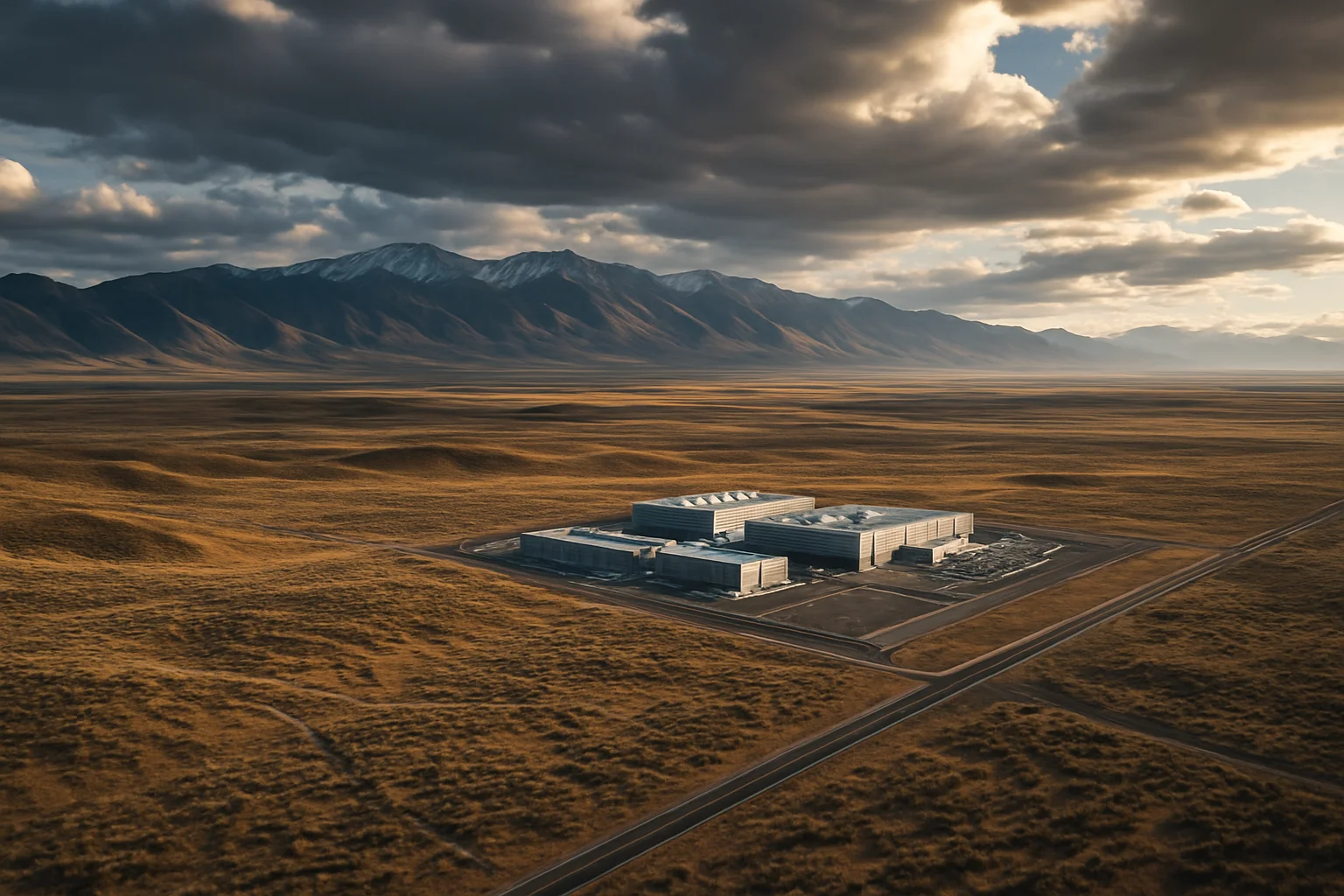
If you're in Phoenix or Denver, backing up to a facility across town or even across the state doesn't solve your real risk: shared grid, shared weather systems, shared regional disasters. IDACORE Boise gives you true geographic diversity — a live, N+1 facility in Idaho with 7 carriers, per-U or cabinet colocation at $300/kW/month, and no 36-month contract trap.
Why Isn't Phoenix-to-Denver Real Disaster Recovery?
I've had this conversation with a dozen infrastructure teams now. A company in Phoenix picks a DR site in Denver, or vice versa, and calls it geographic redundancy. It isn't. Not really.
Here's the problem. Phoenix and Denver sit roughly 600 miles apart, but they're both exposed to overlapping risk categories that matter more than straight-line distance: extreme heat events that strain regional power grids, wildfire smoke that can take out air handling systems, and in Denver's case, severe hail and wind events that hit utility infrastructure hard. If a heat dome sits over the Southwest and knocks out grid stability in Phoenix, there's a decent chance Denver's grid is under stress too, because the Western Interconnection is one big interdependent system. Your "DR site" can go down for the same root cause as your primary.
True DR means breaking that correlation. You want a site on a different grid interconnect, outside the same weather systems, and ideally outside the same seismic and wildfire risk corridor entirely. That's the case for Boise.
Idaho sits outside the Pacific Coast seismic zones that worry insurers and auditors on the West Coast, and it's geographically separated from the wildfire corridors that have caused multi-day outages in parts of California and the Southwest in recent years. Boise gets real weather — but it's a different risk profile than Phoenix's heat stress on the grid or Denver's hail and wind exposure on exposed infrastructure.
What Does "Geographic Diversity" Actually Require?
For a DR site to count, it needs:
- A different power grid, ideally a different interconnection
- Distance from the primary site's natural disaster risk (seismic, wildfire, hurricane, tornado)
- Independent fiber paths — not just a second rack fed by the same long-haul route
- Low enough latency that replication and failover are practical, not theoretical
Boise checks all four. Idaho Power runs commercial rates around $0.055/kWh, roughly half the national average, and the grid here isn't the one straining under Phoenix's summer peak demand. We're on 7 on-net carriers — Zayo, Lumen/Level 3, Cogent, CenturyLink, Syringa, Cable One, and Hurricane Electric — so your replication traffic isn't riding a single fiber path that also happens to run through your primary region.
What Does DR Actually Cost at IDACORE Boise?
This is where a lot of DR planning falls apart before it starts — people assume a redundant site means doubling infrastructure spend. It doesn't have to.
IDACORE Boise bills colocation on power draw, not rack space, at $300/kW/month. If your DR environment is a handful of replication servers and a backup target running at low utilization, you're not paying for a half-empty cabinet. A DR node pulling 400W costs $120/month in power. Scale that up as your DR posture matures — you're not locked into provisioning a full cabinet on day one.
We also do 1U minimum colocation with no power commitment minimum. That matters for DR specifically, because a lot of DR architectures start small: one or two servers running backup jobs and standing by for failover, not a mirrored production environment. You can start there and grow into a cabinet as your RTO requirements tighten.
Example scenario: A Denver-based healthcare SaaS company runs primary infrastructure in a Denver colo and needed a geographically separated DR site for HIPAA audit purposes. They moved backup and replication infrastructure — three servers totaling roughly 1.2kW — to IDACORE Boise. Monthly colocation cost: $360. They pair that with a 1G transit commit at $600/month for replication traffic, giving them predictable, forecastable DR spend instead of a cloud egress bill that scales unpredictably with the volume of data they're replicating.
How Does Boise Compare on Latency?
DR only works operationally if your failover latency is tolerable. Boise isn't next door to Phoenix or Denver, but it's close enough for most replication and failover architectures, and the carrier diversity keeps routes efficient.
| Route | Typical Latency |
|---|---|
| Boise to Seattle | 23ms |
| Boise to Portland | 22ms |
| Boise to Salt Lake City | 14ms |
| Boise to Denver (via SLC transit) | Comparable to SLC + regional hop |
Salt Lake City sits almost directly between Boise and Denver, and a lot of carrier routes from Boise transit through SLC, which keeps latency reasonable for asynchronous replication. For most DR architectures — nightly or hourly replication, warm standby, backup targets — this is well within tolerance. It's not going to work for synchronous, zero-RPO database mirroring, but very few DR plans actually require that, and the ones that do usually aren't choosing a 600-mile DR site anyway.
Does Boise Meet Compliance Requirements for DR?
If you're in healthcare, finance, or government contracting, your DR site needs to carry the same compliance weight as your primary. IDACORE Boise is certified SOC 2 Type II, PCI DSS, NIST 800-53, SSAE-16, and HITRUST CSF, and the facility is built to be compliance-ready for HIPAA, financial, and government workloads. That means your auditor isn't going to flag your DR site as the weak link in your compliance posture — a problem I've seen kill DR plans built around cheaper, uncertified facilities.
We also run on 12-month standard terms where most enterprise colocation providers require 36. For a DR site specifically, that matters: your DR requirements might change faster than your primary infrastructure's, especially if you're still working out your RTO/RPO targets or your compliance program is evolving. You shouldn't be locked into three years of DR space you've outgrown or underused.
What About Data Residency?
For companies with regulatory requirements around data location, Idaho data residency means your DR data doesn't cross state lines into a facility with a murkier jurisdictional footprint. That's a real consideration for Phoenix and Denver companies in regulated industries — your compliance team will ask where the data physically sits, and "Idaho, same state as our primary cert" is a cleaner answer than routing through a multi-tenant facility with unclear data handling practices.
Frequently Asked Questions
Why isn't a Denver-to-Phoenix DR setup considered true geographic diversity?
Phoenix and Denver share overlapping risk factors — extreme heat grid stress, regional wildfire smoke, and interdependence through the Western Interconnection power grid. A regional event affecting one can stress infrastructure in the other, which defeats the purpose of DR. True geographic diversity requires a site outside the same seismic, wildfire, and grid risk corridor, which is why companies are moving DR to Boise instead.
What does DR colocation cost at IDACORE Boise?
IDACORE Boise bills on power draw at $300/kW/month, not on rack space or a flat per-cabinet fee. A small DR deployment of three servers at 1.2kW total costs $360/month. There's a 1U minimum with no power commitment minimum, so you can start with a small replication footprint and scale as your DR requirements grow.
What's the latency from Boise to Denver or Phoenix for replication?
IDACORE Boise sees roughly 14ms to Salt Lake City, and Denver-bound traffic typically transits through SLC, keeping latency reasonable for asynchronous replication and warm-standby architectures. This isn't suited for synchronous zero-RPO database mirroring, but most DR plans use nightly, hourly, or near-real-time async replication, which works well at this distance.
Does IDACORE Boise meet compliance requirements for a healthcare or financial DR site?
Yes. IDACORE Boise holds SOC 2 Type II, PCI DSS, NIST 800-53, SSAE-16, and HITRUST CSF certifications and is built to be compliance-ready for HIPAA, financial services, and government workloads. Your DR site carries the same audit-ready posture as a certified primary facility, which matters when auditors evaluate your full DR architecture, not just your production environment.
Can I rent a small amount of space for DR without a long-term contract?
Yes. IDACORE Boise offers 1U minimum colocation with no power commitment minimum, and standard terms run 12 months instead of the 36-month terms common with enterprise colocation providers. That flexibility matters for DR specifically, since RTO/RPO requirements and compliance programs often evolve faster than primary infrastructure footprints do.
If your DR plan currently depends on two facilities sharing the same grid, the same weather systems, or the same seismic risk, it's not actually DR — it's a second address. Talk to our team about building a Boise-based DR footprint that starts small, bills on actual power draw, and holds up under audit at idacore.com/contact.