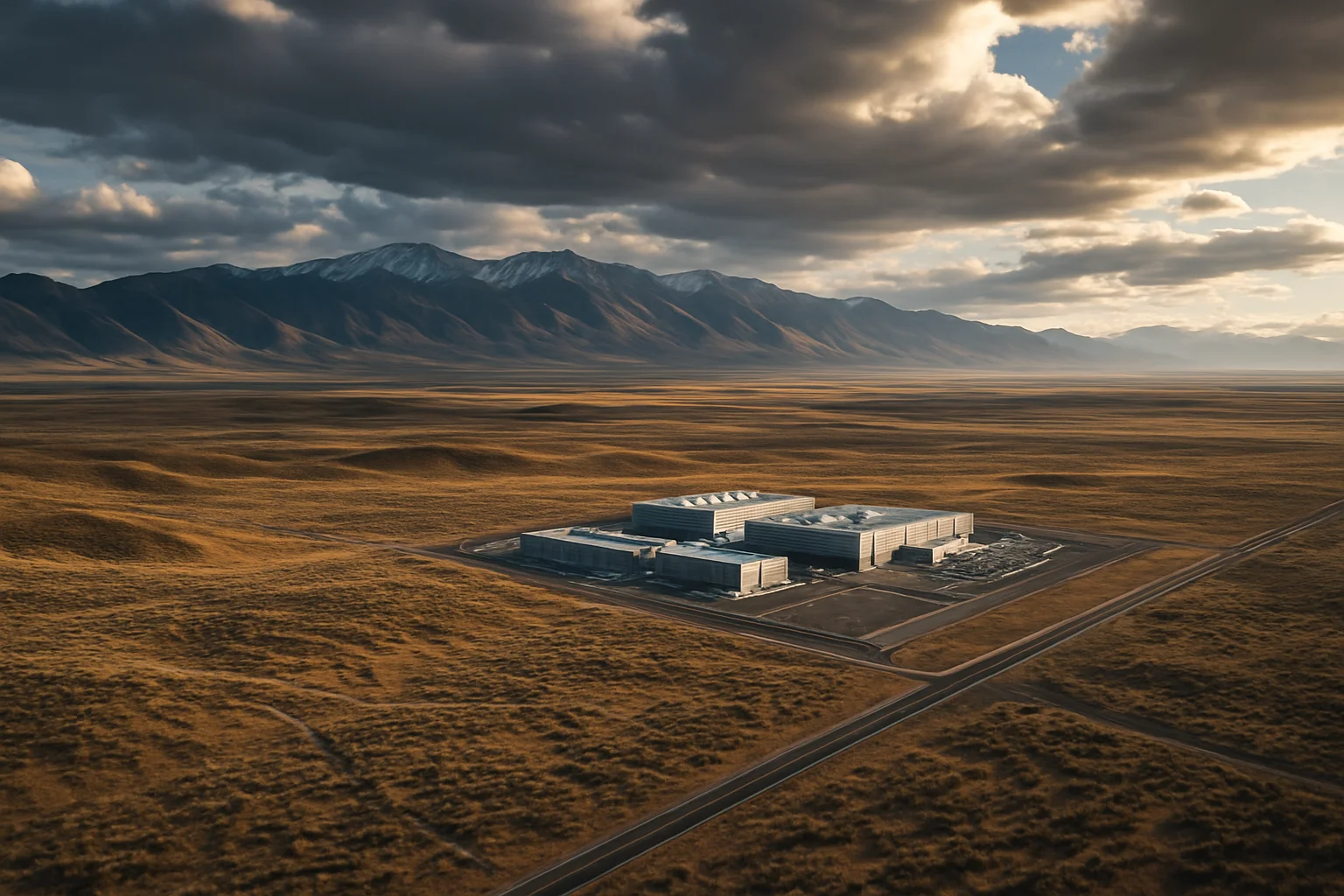
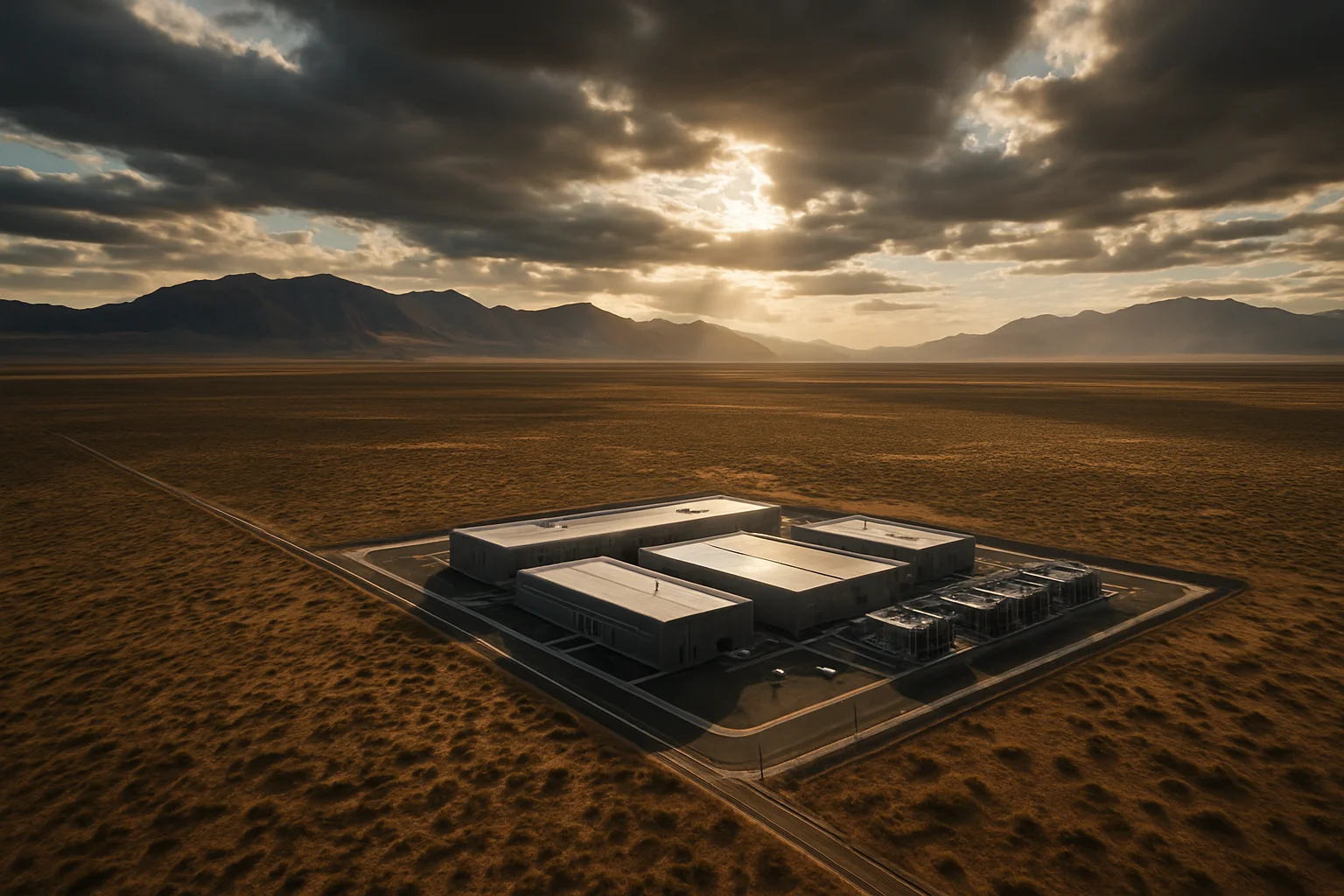
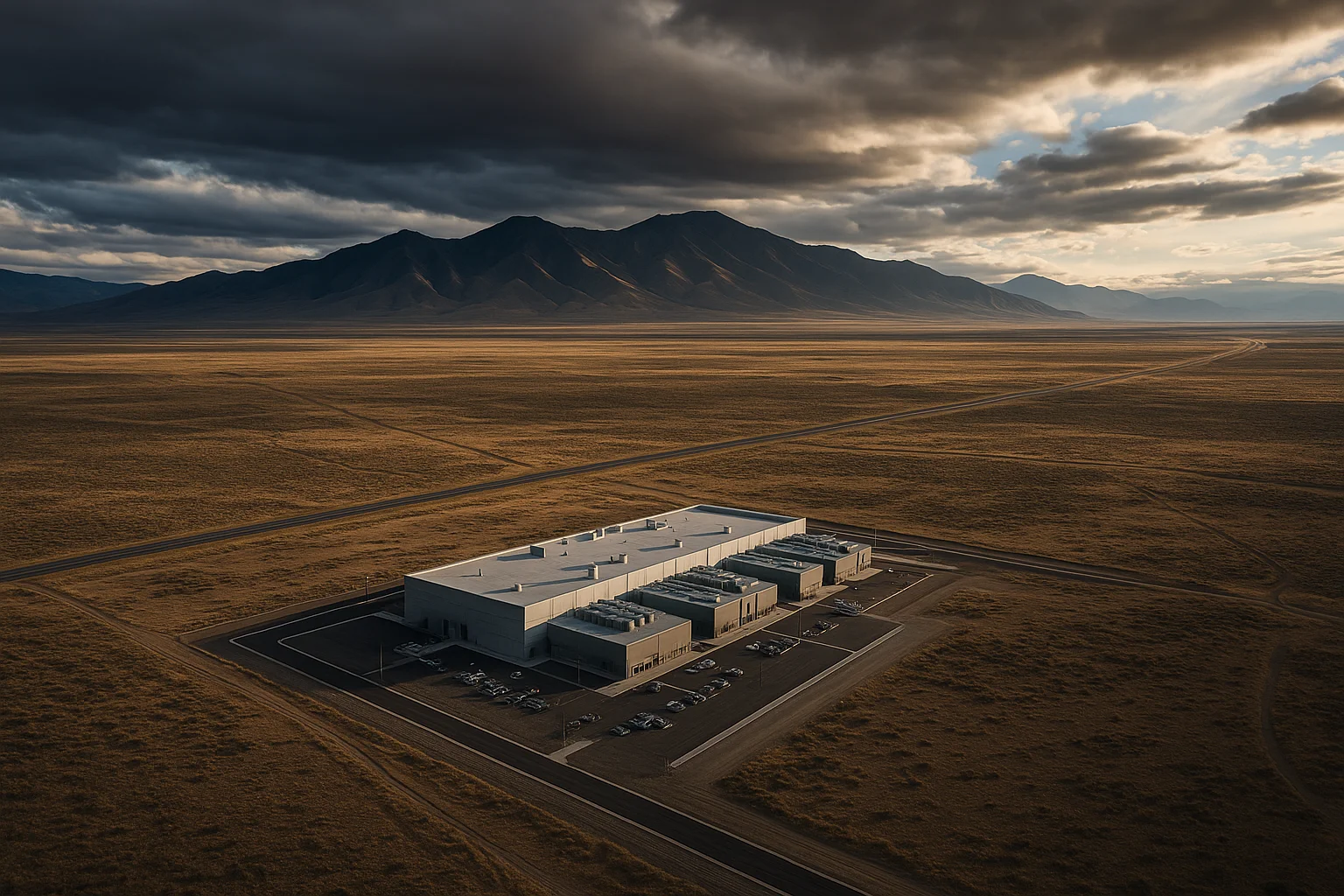
If you're running production in Seattle or Portland, your DR site probably isn't as far from the Cascadia subduction zone as you think. IDACORE Boise sits roughly 400 miles inland, outside the fault zone entirely, while still delivering 23ms round-trip latency to Seattle — close enough for active-passive replication, far enough to survive the earthquake your primary site can't.
Why Does Distance From Seattle Matter for DR?
The Cascadia subduction zone runs the length of the Pacific coast from northern California through British Columbia. Geologists put the odds of a magnitude 9.0+ rupture in the next 50 years at roughly 1 in 3. When that happens, it won't just take down one data center — it'll take down the region. Power grids, fiber routes, road access, staffing. Your "backup" facility 15 miles from your primary site in the same metro is not a disaster recovery plan. It's a shared failure domain with better branding.
I've watched companies build DR strategies around a checkbox: "do we have a second site?" Yes. Is it on the same fault line, same power grid, same flood plain? Also yes, and nobody asked. Real DR requires geographic separation from the specific hazard you're protecting against. For Seattle and Portland companies, that hazard is Cascadia. Boise isn't on it.
What About Wildfire and Grid Risk?
Seismic risk isn't the only thing pushing companies inland. Wildfire season now threatens fiber routes and substations up and down the I-5 corridor every summer. Boise has its own wildfire risk profile, sure, but it's not sitting in the smoke plume every August like large parts of western Oregon and Washington. And Idaho Power's commercial rates run around $0.055/kWh — about half the national average — which matters when your DR site needs to run hot standby infrastructure 24/7/365, not just spin up during an incident.
How Fast Is Boise-to-Seattle Replication, Really?
Latency numbers get thrown around loosely in this industry, so let's be specific. From IDACORE Boise:
| Route | Latency |
|---|---|
| Boise to Seattle | 23ms |
| Boise to Portland | 22ms |
| Boise to Salt Lake City | 14ms |
23ms round-trip is well within range for synchronous replication on most database workloads, and it's comfortably fast for asynchronous replication with near-zero lag. We peer on-net with Zayo, Lumen/Level 3, Cogent, CenturyLink, Syringa, Cable One, and Hurricane Electric — seven carriers, which means your traffic isn't riding a single fiber path that could get cut in the same event that takes out your primary.
Compare that to DR sites people default to for "safety" — Denver, Phoenix, even Dallas. You'll see 35-50ms to Seattle from those markets. Doable, but you're trading real replication performance for distance you didn't need. Boise gets you out of the blast radius without paying a latency tax that breaks your RPO targets.
A Real Scenario: SaaS Failover
A mid-size healthcare SaaS company we work with runs primary infrastructure in Seattle and failover in Boise. Their compliance requirements (HIPAA-adjacent, handling PHI) mandate a documented DR site with sub-50ms replication latency and independent power grid. Boise hits both: 23ms and an entirely separate grid — Idaho Power, not Puget Sound Energy or Bonneville Power. Their failover testing shows full cutover in under four minutes, database replication lag averaging 40ms under normal load. That's a DR site doing its job, not a compliance artifact sitting idle.
What Does Boise DR Actually Cost?
This is where per-U billing changes the math for DR specifically. You're not paying for a full rack of idle capacity waiting for a disaster that might not come this year. IDACORE Boise bills at $300/kW/month based on actual power draw — a 400W standby server replicating your database runs $120/month. Scale that to a DR cluster of eight servers averaging 350W each, and you're at $840/month for full geographic redundancy outside the fault zone.
| DR Approach | Monthly Cost (approx.) | Same-Fault Risk? |
|---|---|---|
| Same-metro colo (Seattle/Portland) | Varies, often cheaper | Yes |
| IDACORE Boise (8-server DR cluster) | ~$840/month power | No |
| Hyperscaler DR region (us-west-2 to different region) | Compute + egress, often $3-6K/month at scale | No, but expensive |
Hyperscaler DR gets you geographic separation too, but you're paying compute rates plus egress on every failover test, every replication sync, every byte that moves during an actual incident — exactly when you need predictable costs most. Our IP transit is priced flat per committed Mbps at 95th percentile billing, so a failover event that spikes your bandwidth doesn't spike your bill in some unpredictable way.
Do You Need Compliance Certifications for a DR Site?
If your primary site is SOC 2 or HIPAA-compliant, your DR site needs to match — otherwise you've got a compliance gap the moment you fail over. IDACORE Boise holds SOC 2 Type II, PCI DSS, NIST 800-53, SSAE-16, and HITRUST CSF certifications, and the facility is built for HIPAA, financial, and government workloads. You're not choosing between geographic safety and compliance. You get both, and your auditor can verify it without a caveat.
We also run standard 12-month contract terms, where most enterprise DR providers push 36-month commitments. A disaster recovery site is exactly the kind of infrastructure you want to reevaluate periodically as your primary environment changes — locking into three years before you know if the replication topology even works for your application doesn't make sense.
Frequently Asked Questions
Is Boise, Idaho far enough from Seattle to be safe from a Cascadia earthquake?
Yes. Boise sits roughly 400 miles east of the Cascadia subduction zone, outside the fault line entirely. The zone runs along the Pacific coast from northern California through British Columbia. Boise is on a separate power grid, separate seismic zone, and separate wildfire corridor from Seattle and Portland, making it a genuine geographic DR option rather than a same-region site with different signage.
What's the network latency between Seattle and Boise for DR replication?
IDACORE Boise measures 23ms round-trip latency to Seattle and 22ms to Portland. That's fast enough for synchronous replication on most database workloads and comfortably supports asynchronous replication with minimal lag. We peer on-net with seven carriers including Zayo, Lumen, Cogent, and Hurricane Electric, so traffic isn't dependent on a single fiber path.
How much does a DR site at IDACORE Boise cost per month?
Colocation bills at $300/kW/month based on actual power draw, not rack space. An 8-server DR cluster averaging 350W per server runs approximately $840/month in power costs. There's no minimum power commitment and per-U colocation starts at 1U, so you can size a standby cluster to match your actual failover requirements instead of overprovisioning.
Is IDACORE Boise compliant for HIPAA or financial DR workloads?
Yes. IDACORE Boise holds SOC 2 Type II, PCI DSS, NIST 800-53, SSAE-16, and HITRUST CSF certifications and is built to support HIPAA, financial services, and government compliance workloads. If your primary site carries these certifications, Boise can match them for DR without introducing a compliance gap during failover.
What contract term does IDACORE require for a DR colocation site?
IDACORE offers standard 12-month terms, compared to the 36-month terms typical of enterprise DR providers. For a DR site, shorter terms matter — your primary environment and replication topology will likely change before a 3-year commitment makes sense, and you shouldn't be locked in before you've validated failover performance.
If your primary infrastructure sits in Seattle or Portland and your current DR plan doesn't account for Cascadia, it's time to look at Boise. Talk to our team about sizing a DR cluster on $300/kW/month power billing with no minimum commitment at idacore.com/contact.