If you're running sustained GPU training on hyperscaler infrastructure, the bill only goes one direction: up. Reserving capacity at IDACORE East now — via LOI, ahead of the Q4 2026 target date — locks in $175/kW/month plus utility pass-through on cabinets designed for 120kW direct-to-chip liquid cooling, before your finance team starts asking why the AWS invoice tripled.
Why Are Companies Locking In GPU Colocation Before It's Built?
Because the math on sustained AI training doesn't work in the cloud past a certain point, and everyone running real workloads already knows it. A100 or H100 clusters running 24/7 for months at a time are not the bursty, spin-up-spin-down workload cloud pricing was built for. You're paying premium hourly rates for infrastructure you're using continuously — that's the opposite of what elastic compute pricing is supposed to reward.
I've watched this pattern before. Companies commit to a cloud GPU instance because it's available today, then three months later they're staring at a six or seven figure monthly bill with no way to negotiate it down without ripping out their training pipeline. Reserving colocation capacity now, for a facility landing in Q4 2026, means you're solving the cost problem before you're locked into the cloud one.
What Does "Pre-Leasing via LOI" Actually Mean?
It means IDACORE East isn't built yet, and I'm not going to pretend otherwise. The site is in development in Eastern Oregon. What you're reserving now is capacity commitment through a letter of intent — securing your position in Phase 1's 5MW / 40-cabinet allocation before it fills, at pricing locked to today's terms rather than whatever the market looks like once hyperscale AI demand tightens colocation availability further across the Pacific Northwest.
This is a roadmap conversation, not a "move in next month" conversation. If you need capacity today, that's a different discussion — Boise and Coeur d'Alene are both live and taking orders. East is for teams planning their 2026-2027 GPU infrastructure now, while there's still room to reserve it.
What Is IDACORE East Designed to Support?
The design targets are built around real AI/HPC density, not repurposed enterprise colocation:
- Power: True 2N — independent grid source plus gas generation, not generator backup bolted onto a single feed
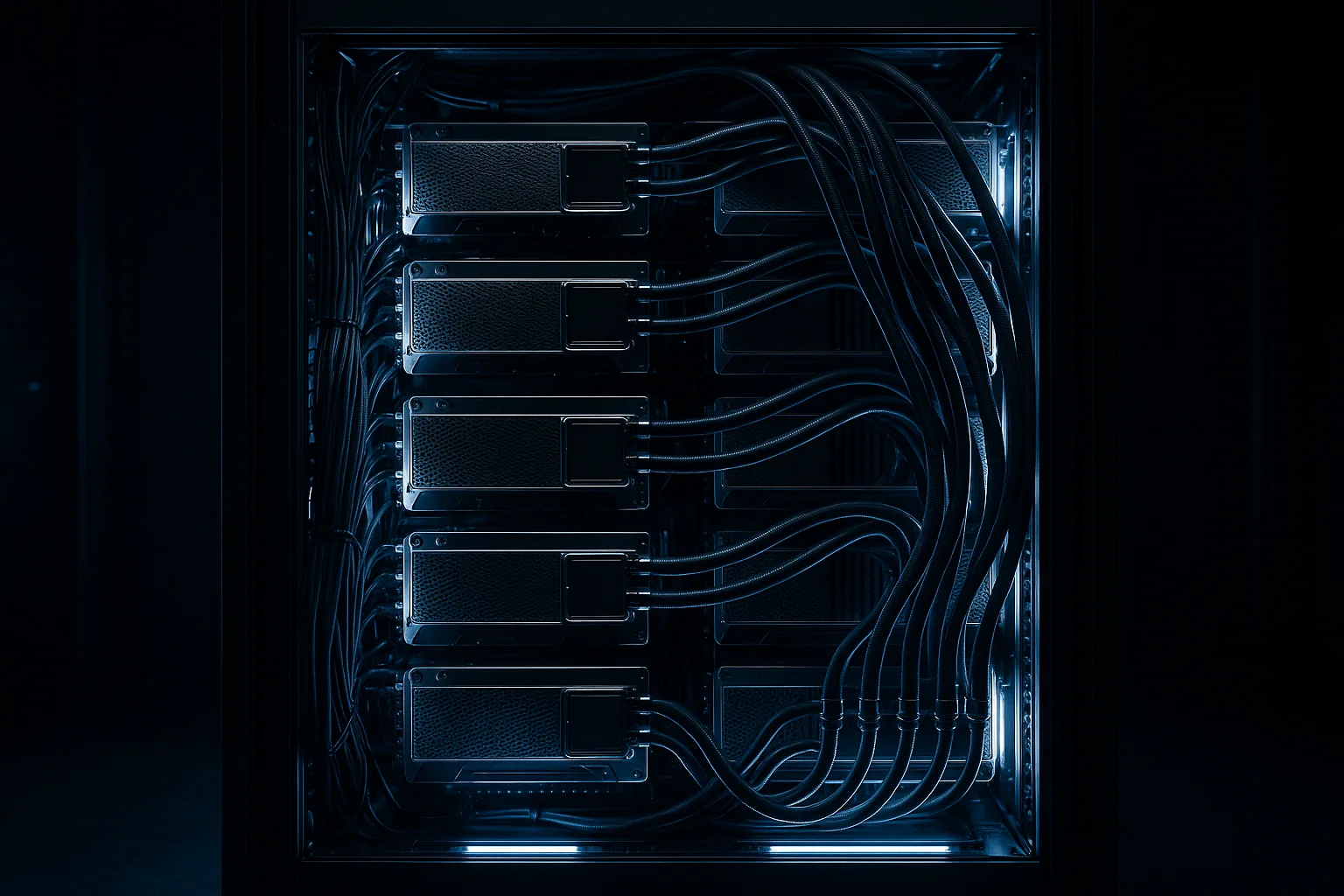
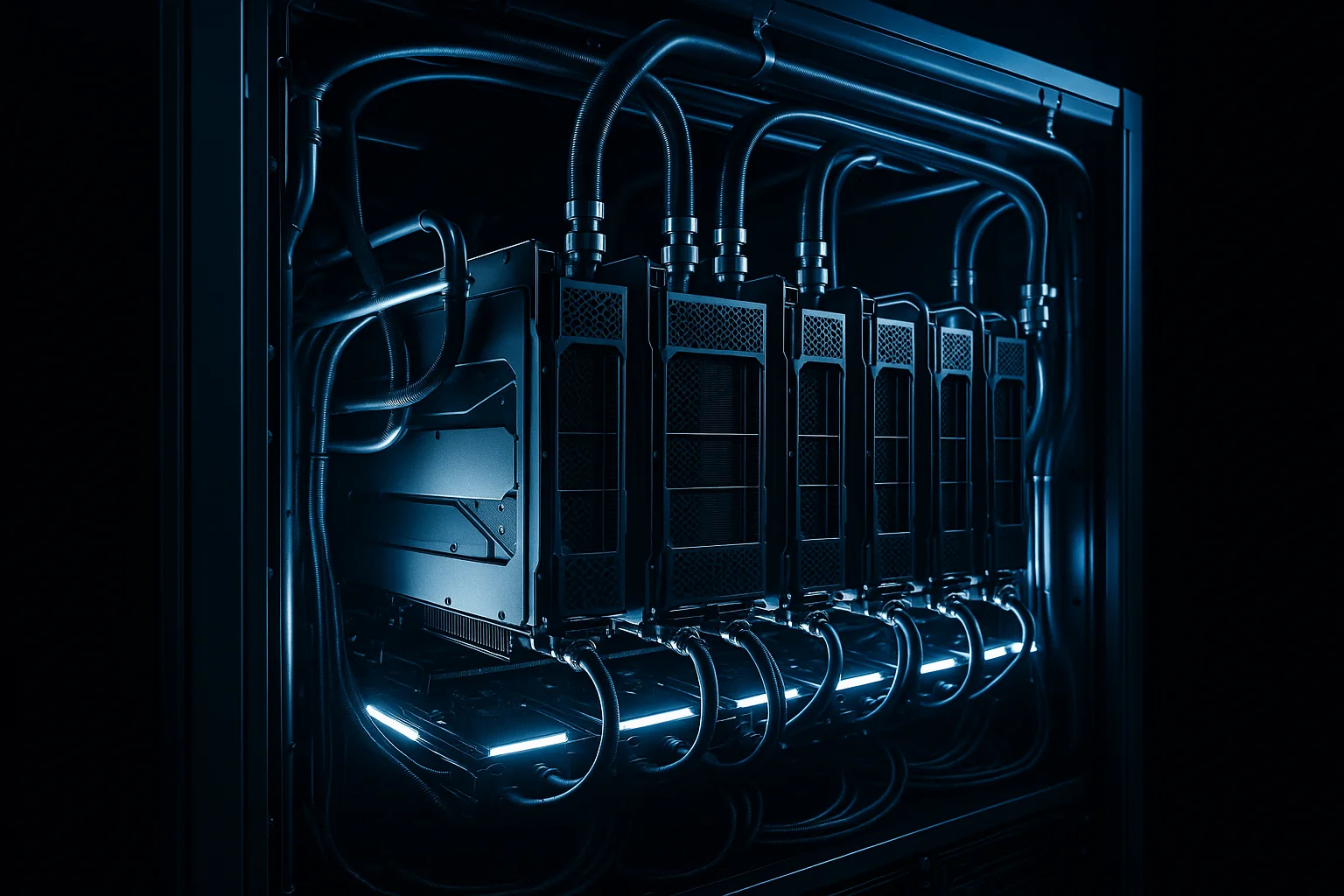
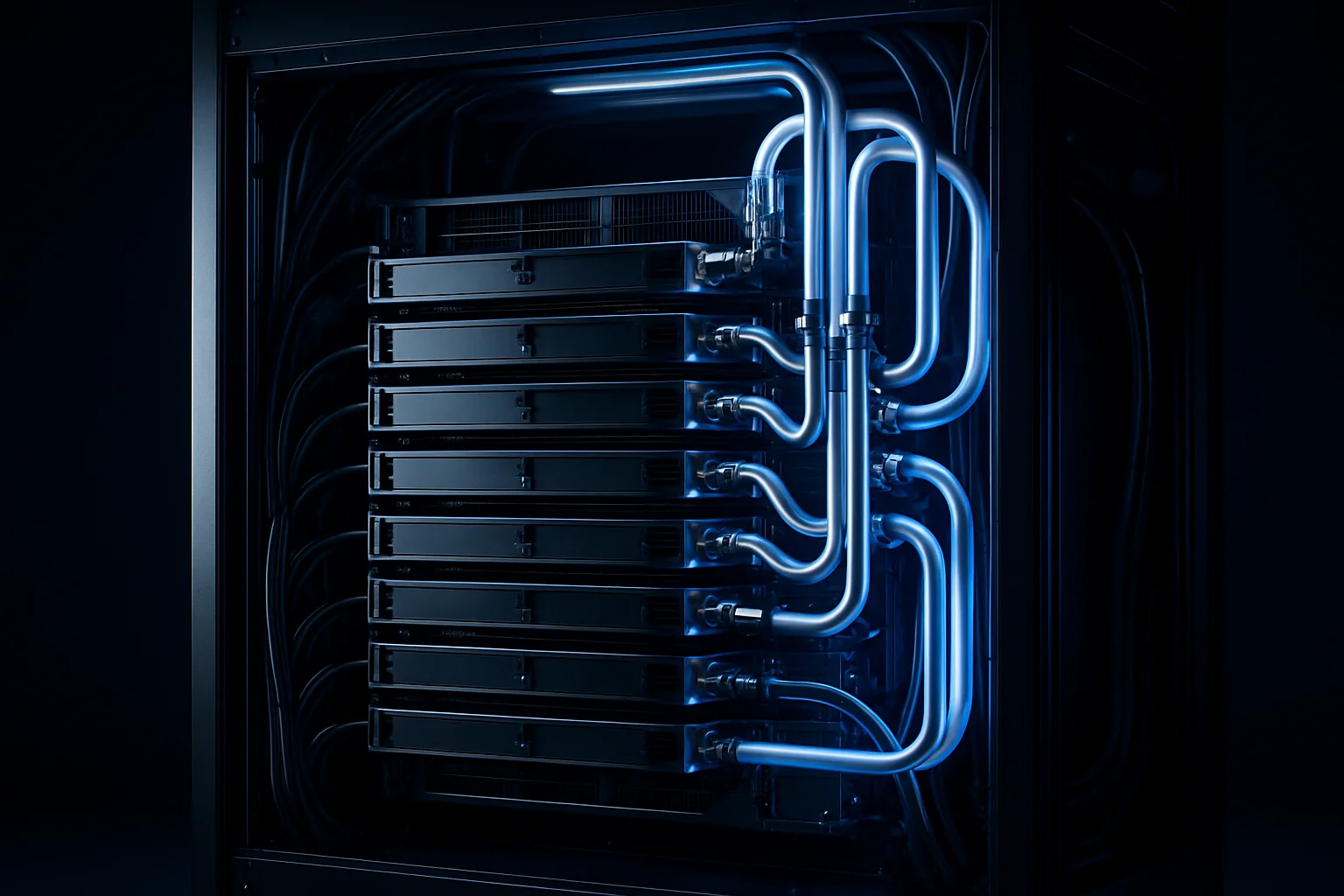
- Cooling: Direct-to-chip liquid cooling designed for 120kW per cabinet
- Efficiency: Target PUE of ~1.10, with free air cooling planned for roughly 8 months a year in Eastern Oregon's climate
- Network: 5 diverse fiber routes across 2 separate physical entry points
- Scale: Phase 1 targeting 5MW IT load across 40 cabinets, with a full build-out plan reaching 20MW
None of that exists on the ground today. It's the design spec we're building to, and it's why the LOI process exists — to size Phase 1 against actual committed demand instead of guessing.
How Does Eastern Oregon Pricing Compare to Cloud GPU Instances?
Let's run a real scenario. Say you're training on 8x H100 instances sustained for a full month on a major hyperscaler. Depending on instance type and commitment discount, you're looking at somewhere between $180,000 and $280,000/month for that compute alone, before egress and storage.
Now model the same density at IDACORE East. A single 120kW cabinet costs $21,000/month at the base $175/kW rate, plus utility pass-through billed at cost — no markup. Idaho Power and Eastern Oregon utility rates run roughly half the national average, so pass-through costs stay low relative to Pacific Coast markets. That $21,000/month covers the facility, cooling, and power delivery. You bring your own GPU hardware or lease it separately — but you're not paying hyperscaler margin on top of compute you already own or finance.
| Cost Factor | Hyperscaler GPU Instance | IDACORE East (Phase 1) |
|---|---|---|
| Billing model | Per-hour instance, scales with usage | Flat $/kW + utility pass-through at cost |
| Sustained 120kW-equivalent load | $180K–$280K/month (compute) | $21,000/month (facility) + hardware |
| Egress fees | Metered per GB, unpredictable | Not applicable to colocation |
| Rate lock | Subject to change | Locked via LOI now |
| Minimum commitment | Instance-based | 1MW minimum |
That 1MW minimum is real — this isn't a fit for a single-rack GPU deployment. It's built for teams running enough sustained training or inference load that megawatt-scale infrastructure and hardware ownership make more financial sense than renting hyperscaler compute indefinitely.
Who Should Actually Reserve Capacity Now?
If you're running one or two GPU experiments a quarter, don't bother — stay in the cloud where elasticity earns its premium. But if you've got a training pipeline that runs continuously, or you're building inference infrastructure that needs to be online and predictable 24/7, the math shifts fast.
I'd put the threshold around this: if your current monthly cloud GPU spend is consistently above $50,000-$75,000 and shows no sign of dropping, you're already paying for infrastructure you should own or colocate. The LOI process lets you lock in Eastern Oregon capacity and pricing today, size your hardware procurement against a known delivery timeline, and avoid competing for colocation space with the entire industry once hyperscale AI training capacity crunch hits harder in 2026 and 2027 — which it will.
What Do I Need to Reserve Space?
An LOI conversation starts with your power requirement (in kW or MW), your target timeline, and whether you're bringing existing hardware or planning procurement alongside the build. We size Phase 1 allocations against real commitments, not speculative interest — this is a 5MW facility phase, not an infinite pool, and cabinet count is finite from day one.
Frequently Asked Questions
Is IDACORE East open for colocation right now?
No. IDACORE East is in pre-leasing via letter of intent, targeting a Q4 2026 delivery date. No capacity is available to occupy today. Companies reserve now to lock in pricing and Phase 1 allocation ahead of the build. If you need colocation immediately, IDACORE Boise and IDACORE North are both live and accepting orders now.
How much does GPU colocation cost at IDACORE East?
The base rate is $175/kW/month plus utility pass-through billed at cost with no markup, subject to a 1MW minimum commitment. A single 120kW cabinet runs roughly $21,000/month at the base rate before utility pass-through, which stays low given Eastern Oregon's utility pricing.
What density does IDACORE East support per cabinet?
Phase 1 is designed for direct-to-chip liquid cooling supporting 120kW per cabinet, well above what air-cooled enterprise colocation facilities typically support. This density target is built specifically for GPU training and HPC clusters, not general-purpose enterprise server colocation.
Why reserve capacity via LOI instead of waiting until the facility opens?
Because Phase 1 is capped at 5MW and 40 cabinets, and pricing and allocation are being locked in now against committed demand. Waiting until Q4 2026 risks either reduced availability or pricing set by whatever the AI colocation market looks like once hyperscale demand tightens further.
How does colocation pricing compare to sustained cloud GPU instance billing?
Cloud GPU billing is metered per hour and scales continuously with usage, often running $180,000-$280,000/month for sustained 8x H100-equivalent workloads. Colocation at IDACORE East's base rate runs a flat $175/kW/month plus utility pass-through at cost, which is dramatically more predictable for training loads that run continuously rather than bursting.
If your GPU training costs are climbing every month with no ceiling in sight, don't wait for the invoice to force the decision — reserve your Eastern Oregon capacity now while Phase 1 pricing and cabinet allocation are still open, and lock in a true 2N power design built specifically for sustained AI workloads. Talk to our team about an LOI.